Introduction to SEO and Paid Advertising
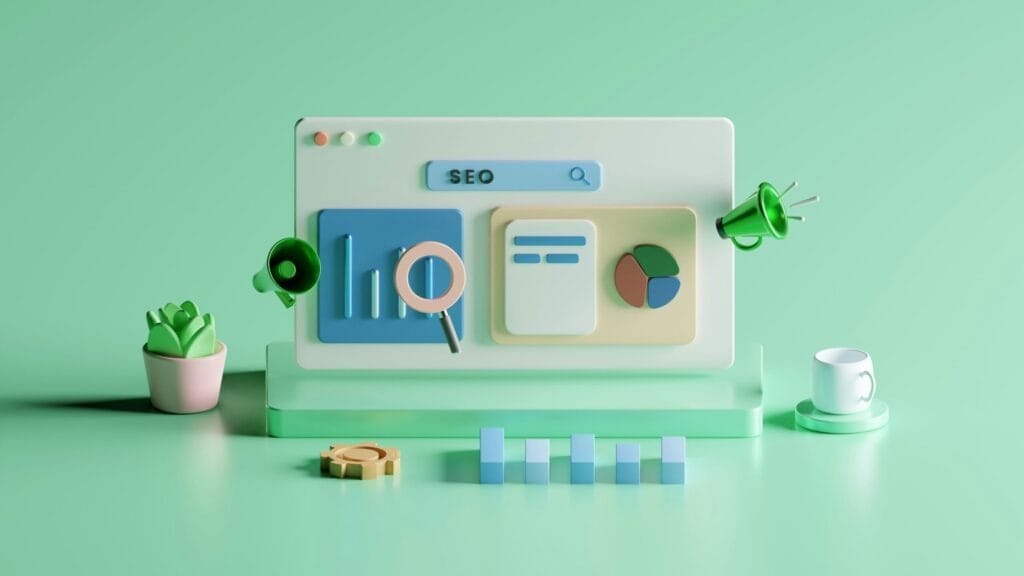
Search Engine Optimization (SEO) and paid advertising, often referred to as Pay-Per-Click (PPC), are critical strategies in the digital marketing landscape. Each method has its unique advantages and plays an essential role in enhancing online visibility and driving traffic to websites. Understanding these strategies is fundamental for businesses aiming to maximize their return on investment (ROI).
SEO is the process of optimizing a website to improve its ranking in organic search results. This involves a range of tactics designed to increase the relevance of a website for specific keywords and phrases that potential customers may use to find products or services. Key components of SEO include keyword research, content creation, on-page optimization, and link-building. By effectively targeting the right keywords and creating high-quality content, businesses can attract organic traffic, which tends to be more sustainable over the long term.
On the other hand, paid advertising primarily involves utilizing platforms like Google Ads and Facebook Ads to reach audiences through targeted campaigns. With PPC, advertisers pay for their ads to be displayed in search engine results or on social media platforms, often based on a bidding model. This approach allows businesses to gain immediate visibility and traffic. However, while PPC can provide quick results, it requires ongoing investment, as the ads will only generate traffic as long as there is funding behind them.
In summary, both SEO and paid advertising offer valuable pathways for businesses seeking to enhance their online presence. While SEO focuses on long-term organic growth through optimization, paid advertising provides immediate access to targeted audiences. Understanding the foundational aspects of these strategies is essential for businesses looking to effectively navigate the digital marketing arena and make informed decisions regarding their marketing expenditures.
Cost Analysis of SEO vs. Paid Advertising
Understanding the cost structures associated with Search Engine Optimization (SEO) and paid advertising is essential for digital businesses aiming to maximize their return on investment (ROI). SEO typically requires a more prolonged ongoing investment compared to the immediate costs associated with running paid ad campaigns. The initial financial commitment for SEO can involve monthly service fees that cover keyword research, content creation, and technical optimizations. On average, businesses can expect to invest anywhere from $500 to $5,000 per month depending on the complexity of the strategy and the competitiveness of the industry.
In contrast, paid advertising, specifically pay-per-click (PPC) campaigns, incurs immediate costs that can fluctuate based on competition and audience targeting. The metric known as Cost Per Click (CPC) is crucial to understanding these expenses; it represents the amount advertisers pay each time a user clicks on their ad. CPC can vary widely depending on the industry, ranging from mere cents in less competitive markets to over $50 for highly competitive keywords in sectors such as finance or law.
Furthermore, the initial investment for launching paid ad campaigns can quickly escalate, particularly if businesses aim for extensive reach and visibility. Setting a budget is paramount, as over-expenditure without proper monitoring can erode ROI. Different sectors may also experience varied costs due to market saturation and audience targeting challenges, making it vital for businesses to analyze industry-specific benchmarks.
In conclusion, while both SEO and paid advertising require distinct financial commitments, the return on investment can differ significantly based on the strategic execution and the specific market conditions that digital businesses operate within.
Return on Investment (ROI) for Short-Term and Long-Term Strategies
When considering the effectiveness of digital marketing strategies like SEO and paid advertising, evaluating the return on investment (ROI) is crucial for informed decision-making. Both methods have distinct impacts on a business’s bottom line, making it essential to understand how each contributes to ROI over different time frames.
Paid advertising is often recognized for its ability to generate immediate results, providing businesses with a quick influx of traffic and potential conversions, which can be tracked in real-time. Since paid ads can reach specific audiences instantly, businesses frequently experience a rapid spike in engagement metrics. This prompt return on investment can be highly attractive, particularly for businesses with time-sensitive campaigns or new product launches. However, reliance on paid advertising may lead to reduced long-term sustainability, as the costs can accumulate and provide diminishing returns if not managed strategically.
On the other hand, SEO represents a long-term investment, focusing on enhancing organic search visibility over time. Although initial results might take several months to materialize, effective SEO strategies can reduce customer acquisition costs significantly over time. As a website gains authority and earns higher rankings in search engines, the organic traffic tends to become more stable and sustainable. Furthermore, the cumulative benefits of SEO can amplify, leading to a compounding effect where the rankings improve continuously with consistent efforts and updates.
Case studies highlighting businesses that prioritized SEO often showcase substantial decreases in operational costs relative to the traffic volume they generate over extended periods. This starkly contrasts with the short-lived nature of paid advertising, which may require perpetual funding to maintain visibility. By presenting clear metrics related to both strategies, businesses can make well-founded decisions that align better with their ROI expectations.
Time to Results: SEO vs. Paid Advertising
When evaluating the effectiveness of marketing strategies, particularly SEO and paid advertising, one significant factor to consider is the time it takes to achieve results. Search Engine Optimization (SEO) is a long-term investment that typically requires several months before noticeable improvements can be seen in organic search rankings. This delay is a result of various elements, such as algorithm changes, the competitiveness of targeted keywords, and the time necessary for search engines to crawl and index updates to the website.
In contrast, paid advertising offers a more immediate return on investment. Campaigns on platforms like Google Ads or social media can be launched swiftly, with traffic directed to a website within hours of activation. This immediacy makes paid advertising an attractive option for businesses seeking prompt results, particularly during promotional periods or product launches.
However, the time to results is influenced not solely by the nature of the strategy but also by external factors. The level of competition in the industry plays a crucial role; high competition can extend the timeframe for SEO results, while cohesive and strategic ad campaigns can produce faster outcomes, even in competitive spaces. Additionally, the allocated budget is a determining factor; a higher budget in paid advertising generally correlates with quicker visibility and traffic. Conversely, a tight budget for SEO may hinder timely efforts to improve rankings.
Moreover, the current state of the website must be taken into account. A website with existing authority and a solid foundation can experience more rapid improvements through SEO compared to a new site that lacks established credibility. Therefore, understanding these dynamics is essential for businesses to make informed decisions on whether to focus on SEO or paid advertising, depending on their unique objectives and timelines.
Scalability of SEO and Paid Advertising
When examining the scalability of SEO and paid advertising, it is essential to recognize that each strategy offers distinct pathways for growth. SEO, which focuses on optimizing a website to rank higher in organic search results, can lead to compounding benefits over time. Businesses that invest in a robust SEO strategy often experience sustainable growth as their content gains traction. For example, an e-commerce website that creates high-quality blog content relevant to its products can attract more visitors over time, resulting in increased organic traffic without continuous additional investment. Not only does this foster a loyal audience, but it also enhances brand credibility and visibility.
In contrast, paid advertising provides immediate results through techniques such as pay-per-click (PPC) campaigns. However, its scalability is constrained by budget limits. Once a business reaches its maximum spending capacity, it cannot continue expanding its audience effectively without increasing its budget. For instance, a company that relies solely on Google Ads may see a spike in traffic and sales initially, but as budgetary constraints take effect, the same level of visibility may not be maintained. In this case, the growth potential can become limited, necessitating a reevaluation of ROI.
Real-world examples highlight these differences in scalability. A startup that employed an SEO-focused content marketing strategy managed to increase its website traffic by 300% over two years, significantly reducing reliance on paid channels. Conversely, a retail brand using extensive PPC campaigns reported high sales but struggled to maintain profitability when budget cuts were enacted. This illustrates how organic growth through SEO can yield long-term benefits, while paid advertising often requires ongoing investment to sustain results.
Ultimately, while both strategies can contribute to a digital business’s growth, SEO provides a more sustainable avenue for scalability with fewer budgetary constraints compared to paid advertising strategies.
Impact on Brand Visibility and User Trust
In the realm of digital marketing, both search engine optimization (SEO) and paid advertising play pivotal roles in shaping brand visibility. SEO primarily focuses on enhancing organic search rankings, which can lead to sustained visibility on search engines. Numerous studies indicate that users often perceive organic search results as more authoritative and trustworthy compared to paid ads. When consumers conduct online searches, they tend to trust the information provided by organically ranked websites, which can result in higher click-through rates for listings that feature prominently on search engine results pages (SERPs).
Conversely, paid advertising can significantly enhance brand visibility, particularly when strategically deployed. Advertisements placed on search engines and social media platforms can quickly capture user attention, making brands more recognizable in a competitive landscape. This immediate visibility is beneficial for fostering brand awareness and reaching potential customers who may not have discovered the brand through organic search alone. Ads can be tailored to specific audiences based on various factors, such as demographics and interests, thereby increasing their effectiveness in engaging the target market.
However, it is crucial to consider the long-term implications of both strategies on consumer trust. While paid advertisements can boost visibility in the short term, an overreliance on them can lead to skepticism among users. Research has shown that consumers often equate ads with commercial intent, which may diminish trust in the brand. On the other hand, a well-executed SEO strategy, characterized by consistent quality content and optimization, can cultivate long-lasting trust and authority in the eyes of consumers. As a result, brands that invest in both SEO and paid advertising can create a balanced approach, leveraging the strengths of each to maximize visibility and enhance user trust.
When to Use SEO, Paid Advertising, or Both
In determining the most effective digital marketing strategy, businesses must assess their immediate goals and long-term objectives. Each approach—SEO (Search Engine Optimization) and paid advertising—has distinct advantages in various scenarios.
For businesses launching a new product, paid advertising often serves as a crucial strategy. This method offers immediate visibility and can drive traffic quickly to promotional content. For instance, using targeted advertisements on social media platforms or search engines ensures that the product reaches potential customers as soon as it is available. The speed at which paid advertisements can generate results makes them the preferred choice for short-term campaigns reliant on rapid customer acquisition.
In contrast, SEO is generally more effective for long-term growth strategies. While it takes time to build organic search rankings, the investment tends to pay off over time by creating a sustainable flow of website traffic. Businesses aiming for longevity and consistent brand presence should prioritize SEO for a robust online strategy. Optimizing website content for relevant keywords enhances search visibility, ultimately bolstering credibility and trust among users.
However, many businesses find that a combination of both strategies yields the best results. For example, while SEO efforts are underway, utilizing paid advertising can bridge the gap by generating leads and ensuring ongoing visibility. Consequently, this dual approach allows companies to capitalize on immediate demand while gradually establishing a solid foundation for organic traffic. Clear guidelines should dictate when to pivot between these strategies, ensuring alignment with specific business goals.
Success Stories and Case Studies
Understanding the effectiveness of SEO and paid advertising can be greatly enhanced through real-world examples. Numerous businesses have effectively utilized these strategies, resulting in notable improvements in return on investment (ROI). This section explores several success stories, illustrating how different approaches yield various results depending on the context and objectives.
For instance, a small e-commerce platform specializing in handmade crafts primarily relied on SEO to drive organic traffic. By focusing on keyword optimization and quality content creation, the business saw a 150% increase in organic search traffic over six months. The integration of local SEO strategies also helped attract customers within their geographical area, improving overall sales and enhancing community engagement. This case highlights how effective SEO can lead to sustainable growth without the continuous expenditure associated with paid ads.
On the other hand, a tech startup chose a paid advertising strategy, investing significantly in pay-per-click (PPC) ads to rapidly increase brand awareness during its launch phase. The company targeted specific demographics and utilized analytics to refine its campaigns. As a result, they achieved a 200% ROI in the first quarter alone, driving substantial traffic to their website and generating leads at a lower cost than anticipated. This case reflects the power of paid advertising in situations where immediate visibility is essential, and budgets allow for aggressive marketing tactics.
Moreover, case studies from established brands offer further insights. A leading cosmetics retailer successfully combined both strategies, using SEO to maintain a steady online presence while employing targeted ads during seasonal promotions. This dual approach not only boosted their visibility across search engines but also maximized their marketing efforts during peak sales periods, ultimately enhancing their overall profitability. These examples underscore that both SEO and paid advertising have unique advantages and can be most effective when strategically integrated to complement each other.
Conclusion: Making the Right Choice for Your Business
In the ongoing debate between SEO and paid advertising, businesses must assess both strategies to determine which aligns best with their unique objectives and operational context. SEO provides a long-term, sustainable approach to visibility, generating organic traffic that can gradually build a trustworthy brand presence. Its cumulative benefits can lead to a higher return on investment (ROI) over time, especially for firms prepared to invest in quality content and keep pace with search engine algorithms.
On the other hand, paid advertising allows for immediate exposure and can be finely targeted to reach specific demographics. This can lead to rapid customer acquisition and can be adjusted in real time based on performance metrics. The flexibility of paid campaigns can be advantageous for businesses seeking quick results or those operating in highly competitive markets. However, it is essential to keep in mind that the costs associated with paid advertising can escalate quickly, which is a crucial factor when assessing ROI.
Ultimately, the choice between SEO and paid advertising should be informed by careful consideration of a company’s individual goals, budget constraints, and market dynamics. Some businesses may find that a hybrid strategy, employing both SEO and paid advertising, yields the best results by capitalizing on the strengths of each approach. This combination can provide the immediate visibility of paid ads while simultaneously working on building a sustainable, organic presence through SEO. Regular evaluation of performance is paramount to ensure that marketing strategies remain aligned with evolving business objectives.